
App development
Challenges of AI in mobile development
Artificial intelligence (AI) is already part of our everyday life – from personalized recommendations to intelligent mobile apps that “understand” the user. But behind these possibilities stand a number of challenges that developers have to overcome in order to create stable and effective solutions. Every integration of AI in mobile apps requires a balance between innovation, security and performance.
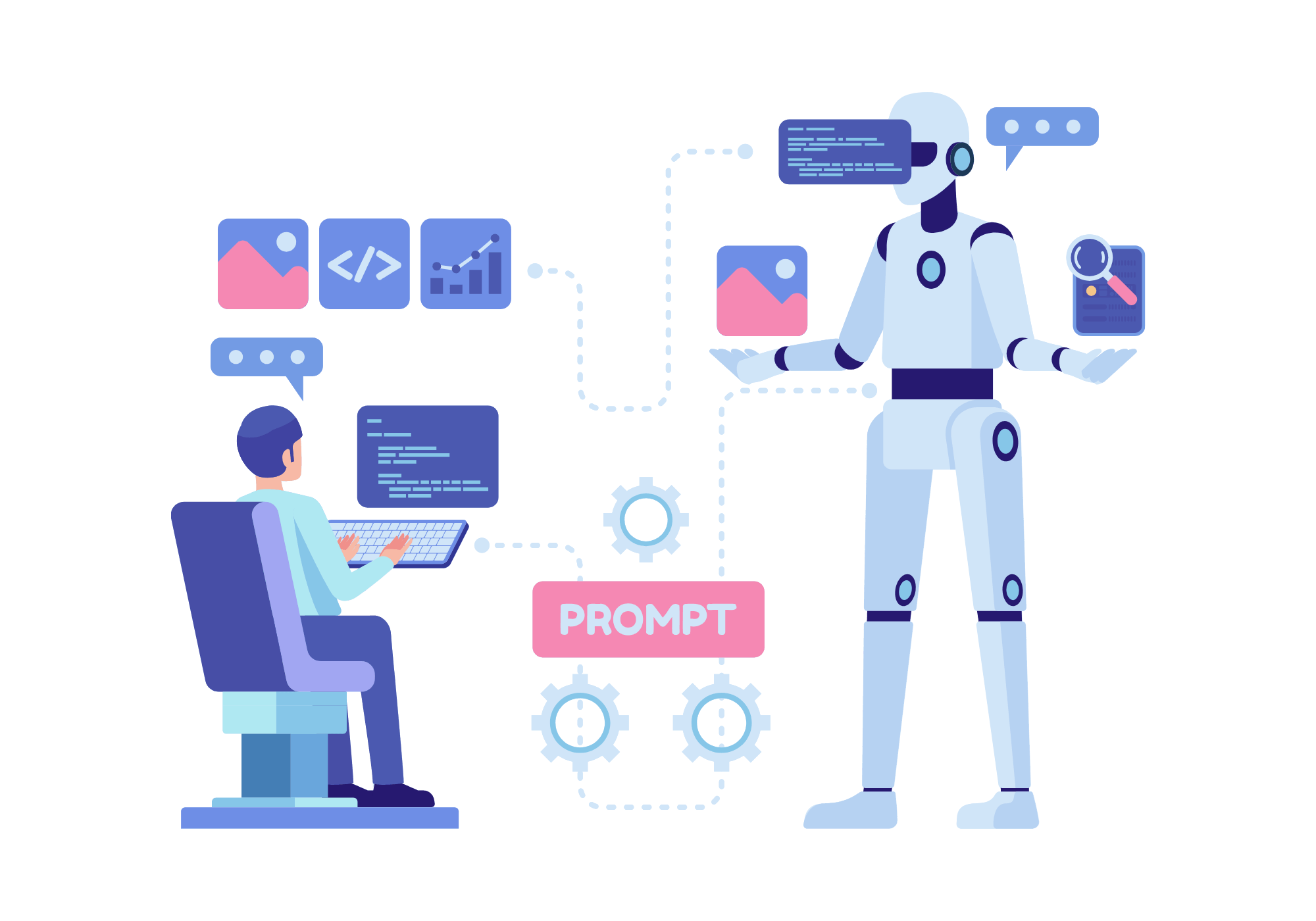
Artificial intelligence (AI) is already part of our everyday life – from personalized recommendations to intelligent mobile apps that “understand” the user. But behind these possibilities stand a number of challenges that developers have to overcome in order to create stable and effective solutions.
Every integration of AI in mobile apps requires a balance between innovation, security and performance. Here are the most important aspects that need to be taken into account:
Security and data protection
AI apps process sensitive information such as location, user behavior and biometric data. This makes security one of the most critical factors in development.
“A large part of AI developments today do not have sufficient control over privacy.”
– Nadar Henein, Gartner (an expert in the field of cybersecurity and the protection of personal data)
To minimize the risks, it is important to apply:
- encryption of the data
- anonymization
- processing of data directly on the device
- compliance with regulations such as GDPR and CCPA
High cost and complexity
Every development of an AI feature is more complex and more expensive than standard mobile apps. This is due to the need for training models, integrations and constant optimization.
The main challenges include:
- training and maintenance of ML models
- complex integrations
- the need for specialized experts
Even so, costs can be optimized through:
- the use of ready (pre-trained) models
- cloud AI services
- open-source technologies
Data quality
The effectiveness of AI depends directly on the quality of the data with which it is trained. Incomplete or inaccurate data can lead to wrong results and a poor user experience.
To achieve more reliable results, it is important:
- to use diverse and well-structured datasets
- regular checks and optimization
- to apply synthetic data and a human-in-the-loop approach
Performance of mobile devices
AI can put a load on mobile devices and have a negative effect on their performance. This often appears as slowing down, higher battery consumption and lower responsiveness.
The most common problems are:
- lag and delay
- the battery running down quickly
- increased use of resources
For optimization the following can be used:
- lighter AI models
- model compression (quantization, pruning)
- technologies such as Core ML and TensorFlow Lite
Artificial intelligence is transforming mobile apps by making them more intelligent, adaptive and personalized. Despite the challenges, it offers serious opportunities for businesses that want to remain competitive.
Companies that integrate AI successfully can benefit from:
- more effective and automated processes
- a better understanding of user behavior
- personalized services and content
- better business results