
App development
Mobile health apps and digital healthcare
Mobile health apps (mHealth Apps) are becoming an increasingly important part of modern healthcare. Thanks to them, users can easily track their health, communicate with medical professionals and get access to important information at any time and from any place.
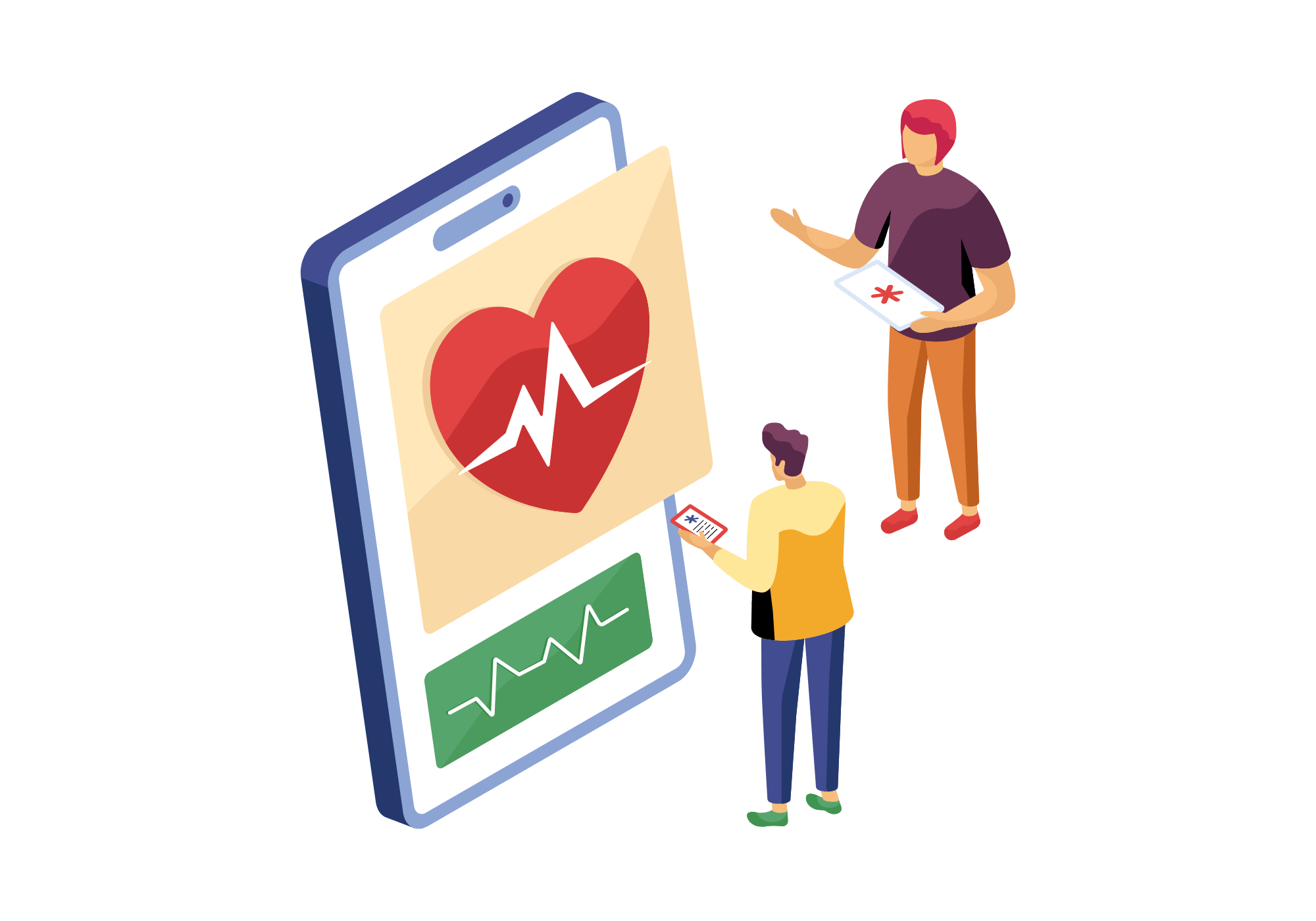
Mobile health apps (mHealth Apps) are becoming an increasingly important part of modern healthcare. Thanks to them, users can easily track their health, communicate with medical professionals and get access to important information at any time and from any place.
What are mobile health apps?
Mobile health apps are software solutions developed for smartphones and tablets, which support the management of health and make access to medical services easier. They can be used both by patients and by doctors, and they offer different features – from tracking health indicators to remote consultations.
Main advantages of mobile health apps
One of the greatest advantages of these apps is convenience. Users can track their physical activity, the quality of their sleep, their heart rate and other important indicators directly from their phone. In addition, many apps send reminders to take medicines, attend medical check-ups or have preventive tests.
Mobile health apps also help with better information for patients, by providing access to educational materials and personalized recommendations for a healthier lifestyle.
The role of telemedicine in digital healthcare
Telemedicine is among the fastest-developing areas in the health sector. Through mobile apps, patients can hold online consultations with doctors, receive medical advice and share test results without the need to visit a medical facility.
This is especially useful for people with chronic conditions, older patients and people living in places with limited access to health services.
Integration with smart devices and artificial intelligence
Modern mobile apps for healthcare are often connected with smart watches, fitness bands and other wearable devices. In this way, data is collected in real time on physical activity, heart activity and other important indicators.
The use of artificial intelligence makes it possible to analyze the collected information and provide personalized recommendations. This supports the early detection of potential health problems and encourages preventive care for health.
What makes a health app successful?
A successful mobile health app should be easy to use, secure and functional. The protection of personal data is of essential importance, because the apps process sensitive medical information. In addition, good integration with other systems and devices significantly improves the user experience.
Modern mobile health apps are changing the way people take care of their health. They provide fast access to information, make communication with medical professionals easier and encourage more active control over one’s health. As digital healthcare develops, these technologies will continue to play an increasingly important role both for patients and for health organizations.